

Fireworks. Thunder. A slamming door. A car backfiring down the street.
To us, it may be “just noise.” To your pet, it can feel like the world is ending.
Maybe you already know the signs: shaking, hiding under the bed, pacing, panting, whining, or clinging desperately to your side. Some pets refuse food. Others can’t settle for hours, even after the sky has gone quiet.
The first thing I want you to know is this: your pet isn’t being dramatic. Their body genuinely believes they are in danger.
And the second thing is this: you can help them.
In this post, I’ll explain what’s happening inside your pet’s body during fireworks, thunderstorms and loud noises, what you can do in the moment, and how gentle animal healing sessions can support fearful pets on a deeper level.
Why Is My Pet So Scared of Loud Noises?
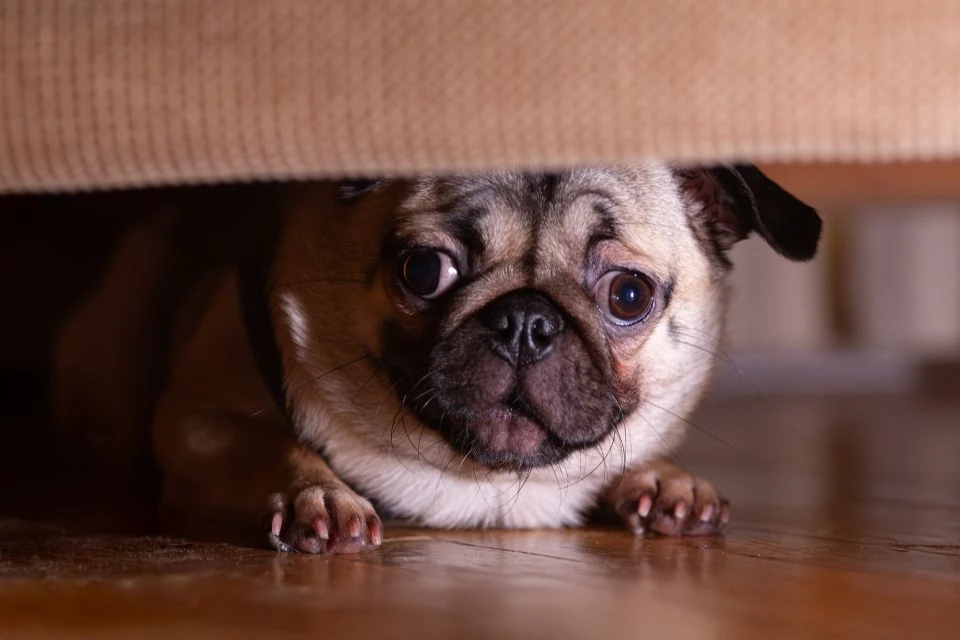
When fireworks or thunder start, your pet’s body can move into survival mode within seconds.
There is no time for thinking, understanding or learning. The noise is loud, sudden and unpredictable, so their nervous system reacts automatically. Stress hormones rise, the heart races, and the body prepares to run, hide, freeze or defend itself.
This is why calling their name often doesn’t work. When a pet is deeply frightened, words may not reach them in the way they normally would. They are responding through instinct.
The hardest part is that their body doesn’t know when the noise will end. Every new bang or rumble can set off the alarm all over again. After a long fireworks night, or several noisy nights in a row, your pet may stay on high alert long after everything has gone quiet.
That’s why many pets seem exhausted, clingy or restless the next day. The noise has stopped, but their body is still recovering.
A Powerful Thing You Can Do for your pet
One of the most supportive things you can offer your pet is your own calm presence.
Animals read our energy all the time. If you tense up, rush around or panic, your pet may take that as confirmation that something really is wrong. But when you soften your body, slow your breathing and stay grounded, you send a different message:
“I’m here. We are safe.”
You don’t have to pretend everything is fine. You simply become a steady presence for them.
How to Calm Your Pet During Fireworks
The next time the noise starts, try this:
- Sit near your pet, close enough to be present, but not so close that they feel crowded.
- Don’t call them over, force touch or correct their behaviour. Just be there.
- Breathe slowly. Inhale gently through your nose, then let your exhale become a little longer.
- Soften your shoulders. Move less. Speak less.
- Follow their lead. If they come to you, welcome them. If they hide, let them. If they tremble, allow the shaking to happen without interrupting it.
You may not see an instant change, and that’s okay. What matters is that your pet’s body is receiving a different signal: calm, rhythm, presence and steadiness.
How Animal Healing Helps Noise Anxiety
For some pets, noise anxiety is not only about tonight’s fireworks or thunderstorm.
They may be carrying old fear from a past experience, a stressful environment, trauma, or emotional tension that has stayed in the body. This can make their reaction feel much bigger than the situation itself.
This is where spiritual energy healing can offer gentle support.
In an animal healing session, we are not forcing the fear away. We are creating a calm, safe energetic space where your pet’s body and energy field can begin to soften. This may support the release of stored tension, old fear patterns and emotional stress they have been carrying.
The sessions are done remotely, so your animal can receive the healing from home, in the place where they already feel most secure. For anxious animals, this can be a much kinder way to receive support.
How Many Sessions Does a Fearful Pet Need?
One session can be helpful, but for pets who are very sensitive, anxious or deeply fearful, a gentle series is often more supportive.
I usually recommend 2–3 healing sessions over 6–8 weeks, ideally before fireworks season or storm season begins.
This gives your pet time to receive the healing, integrate the support, and allow their nervous system to settle gradually. Deep fear often releases in layers, so spacing the sessions out can help your animal feel supported without becoming overwhelmed.
Quick Checklist to support your Pet
Alongside healing sessions, these simple steps can make loud nights easier:
- Create a safe den or quiet hiding place
- Keep their routine as steady as possible
- Reduce visitors, activity and extra noise in the home
- Use soft lighting and a calm environment
- Ground yourself first, as your calm can help them feel safer
- Give them recovery time afterwards
If your pet’s fear is severe, healing can also work beautifully alongside veterinary support, don’t forget to discuss natural alternatives such as CBD oil to support them.
Your Pet Doesn’t Have to Dread Loud Noises
Imagine your pet moving through fireworks night with more ease. Imagine a storm passing while they feel supported, instead of overwhelmed.
With gentle, consistent support, their body can begin to learn a new story:
The noise passes, and I am safe.
If your dog, cat or animal companion struggles with fireworks, thunderstorms or noise anxiety, there are two ways I can support them.
For deeper 1:1 support, especially if your pet carries strong fear, trauma or anxiety, you can book an Animal Healing Session. For sensitive animals who would benefit from regular energetic clearing throughout the year, Twelve Moons for Animals offers gentle monthly support on every full moon.
Fireworks season on the way? Booking 2–3 healing sessions in advance can help your pet feel calmer, more settled and better supported before the sky gets loud.
